
Top Waterproofing Products for Long-Lasting Protection
Explore our expert picks of waterproofing solutions designed to safeguard your property from water damage effectively.
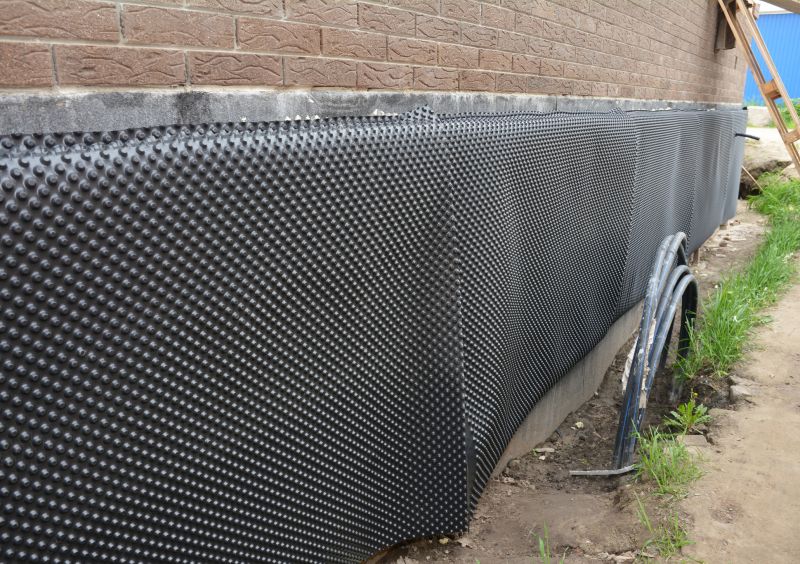 Waterproofing products are essential for protecting structures, foundations, and surfaces from water intrusion and damage. Proper waterproofing can help prevent issues such as leaks, mold growth, and structural deterioration, especially in areas prone to moisture exposure. When selecting waterproofing products, it is important to consider the specific application, surface compatibility, and environmental conditions to ensure effective and long-lasting results.
Top Overall Option
Multi-Use Waterproof Sealant
A versatile waterproof sealant designed for various surfaces including concrete, wood, and masonry. It offers flexible, seamless protection against water infiltration and is suitable for both indoor and outdoor applications. Easy to apply with brush or spray, it provides a durable barrier that adapts to surface movements and environmental conditions.
Types of Products For Waterproofings
Liquid Waterproofing Membranes
Fluid-applied membranes that create seamless, flexible barriers over surfaces, ideal for roofs, decks, and basements.
Waterproofing Paints and Coatings
Specialized paints that provide a protective waterproof layer on walls, ceilings, and other surfaces.
Bituminous Coatings
Asphalt-based coatings used for roofing and foundation waterproofing, offering strong water resistance.
Rubberized Waterproofing Sheets
Flexible sheets made from rubber or similar materials, often used for foundation and basement waterproofing.
Polyurethane Sealants
High-performance sealants suitable for sealing joints and cracks in waterproofing applications.
Cementitious Waterproof Coatings
Ready-mixed cement-based coatings that are easy to apply on concrete and masonry surfaces.
Hydrophobic Parging
A coating that repels water on masonry surfaces, often used on exterior walls.
Spray-On Waterproofing
Spray-applied solutions suitable for roofs, decks, and other large surfaces requiring waterproofing.
Waterproofing Tapes
Self-adhesive tapes used to seal cracks, joints, and seams in various surfaces.
Drainage Matting
Materials designed to facilitate water drainage and prevent water buildup behind walls or foundations.
Waterproofing Collars and Flanges
Accessories used to seal around pipes, conduits, and penetrations in waterproofed areas.
Crack Injection Systems
Specialized materials for sealing and filling cracks in concrete to prevent water ingress.
Polyethylene Vapor Barriers
Thin plastic sheets used to prevent moisture vapor transmission through floors and walls.
Epoxy Waterproof Coatings
Resilient coatings suitable for waterproofing and sealing concrete surfaces with high durability.
Waterproofing Additives
Chemical additives mixed into concrete or mortar to enhance water resistance.
Sealant Caulks
Flexible caulks used to seal joints, gaps, and seams in waterproofed surfaces.
Popular Choices
Widely used for their seamless application and adaptability to various surfaces.
Commonly chosen for ease of application on exterior walls and roofs.
Popular for their durability in roofing and foundation waterproofing projects.
Favored for basement and foundation applications due to their flexibility.
Chosen for sealing joints in concrete and masonry structures.
Popular for their straightforward application on concrete surfaces.
Preferred for large surface areas like roofs and decks due to quick application.
Useful for quick repairs and sealing cracks in various surfaces.
Commonly used behind walls and in foundation systems to manage water flow.
Frequently selected for repairing structural cracks to prevent water intrusion.
Popular in flooring applications to prevent moisture vapor transmission.
Chosen for concrete sealing where high durability is needed.
Different types of waterproofing solutions are designed for various purposes, including sealing roofs, basements, concrete surfaces, and outdoor structures. Some products are liquid-based, offering seamless coverage and flexibility, while others come in sheet form or as membranes, providing durable barriers against water penetration. Proper surface preparation and application techniques are vital to maximize the effectiveness of these products.
In addition to traditional waterproofing materials, there are innovative solutions that incorporate advanced technologies to improve adhesion, elasticity, and resistance to environmental stressors. Regular maintenance and inspections can help identify potential vulnerabilities and ensure the ongoing integrity of waterproofed surfaces. Consulting with professionals or following manufacturer instructions can help achieve optimal results tailored to specific project needs.
Choosing the right waterproofing product involves understanding the environment, surface type, and the level of water exposure expected. Whether for a residential basement, commercial roof, or outdoor patio, selecting appropriate materials can contribute significantly to the durability and safety of the structure. Investing in quality waterproofing solutions can provide peace of mind and protect property value over time.
Key Buying Considerations
- Identify the specific surface material to ensure compatibility with the waterproofing product.
- Determine whether the project requires a liquid, sheet, or coating solution based on application area.
- Consider the environmental conditions, such as exposure to UV rays, temperature fluctuations, and moisture levels.
- Evaluate the flexibility and elasticity of the product to accommodate surface movements or settling.
- Check for ease of application, including whether tools or professional assistance are needed.
- Assess the drying or curing time to plan application schedules accordingly.
- Review the longevity and durability claims, ensuring the product meets your project timeline.
- Ensure the product provides a seamless barrier to prevent water seepage through joints and cracks.
- Think about maintenance requirements and whether the product allows for easy inspections or repairs.
- Verify that the product has appropriate certifications or standards compliance for your region.
- Consider the potential impact on surrounding surfaces or structures during application.
- Evaluate cost-effectiveness relative to the coverage area and expected lifespan.
- Read customer reviews and ratings to gauge real-world performance and satisfaction.
- Determine if additional accessories or components are needed for complete waterproofing solutions.
- Consult with professionals or manufacturers for recommendations tailored to your specific project needs.
This page contains affiliate links. We may earn a commission if you make a purchase through these links, at no additional cost to you.